Low Rhinestone Templates: A Designer's Guide to Sparkling Projects
That feeling when a design concept needs a specific kind of energy—something tactile, eye-catching, and full of personality—is familiar to any creative professional. You're not just looking for another font; you're searching for a visual texture. This is where the world of Low Rhinestone Templates Design enters the conversation. It’s a creative asset that bridges the gap between digital design and physical, craft-based application, offering a unique path to create premium, textured graphics.
Understanding the Low Rhinestone Template Aesthetic
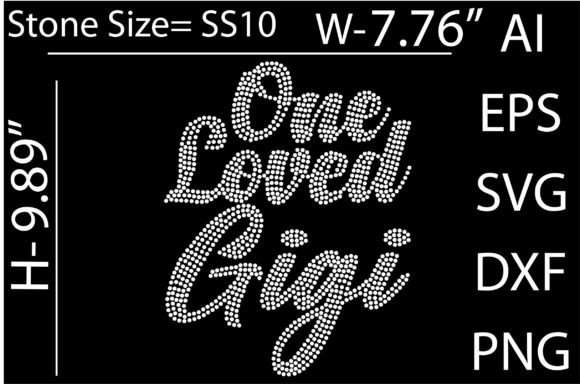
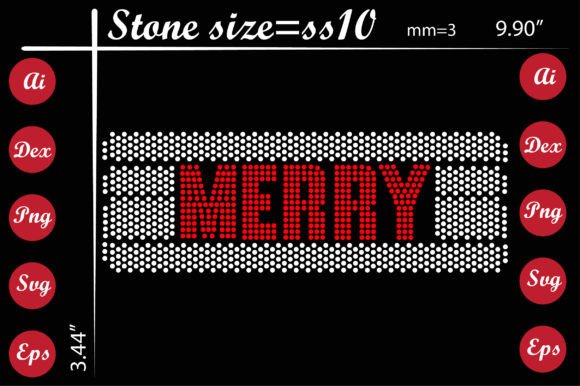
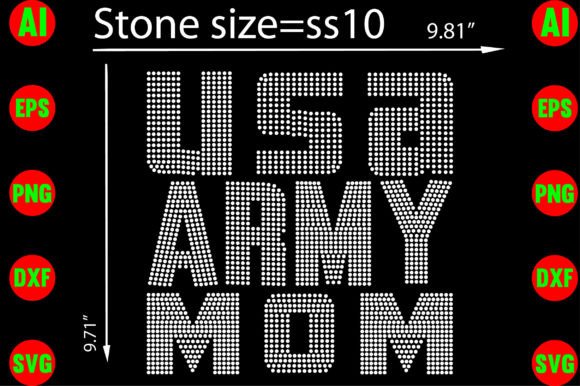
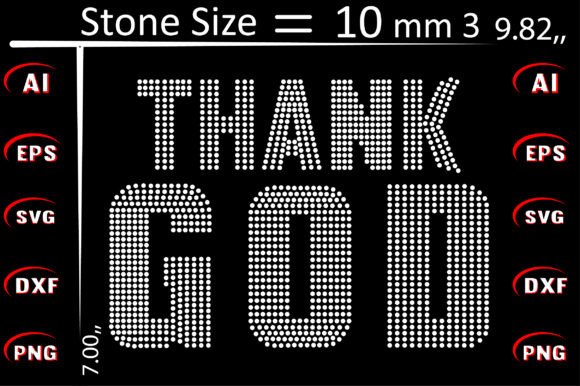
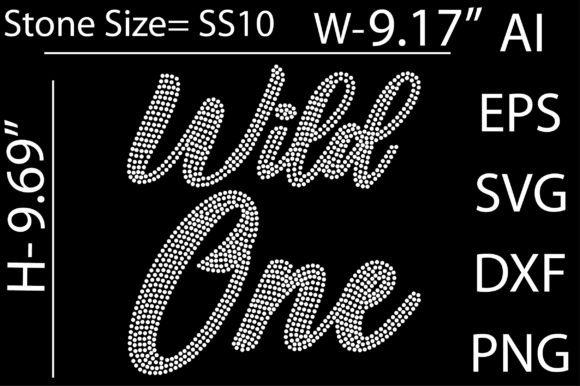
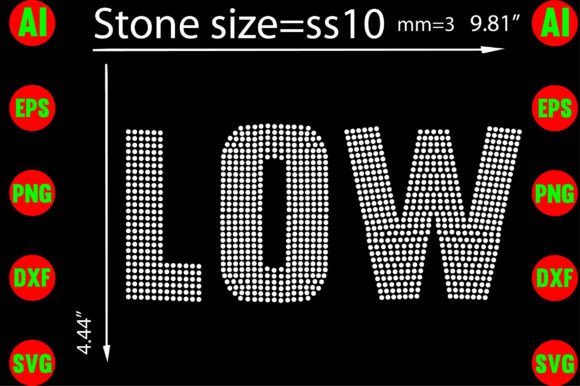
At its core, a rhinestone template isn't a traditional typeface in the sense of a serif font or a sans serif font. Instead, think of it as a specialized display font where each glyph is constructed from a pattern of circles, mimicking the look of clustered rhinestones. The "Low" in Low Rhinestone Templates Design often refers to the density or scale of these stone patterns, creating a more subtle, refined sparkle rather than an overwhelming glitter effect. Its personality is unapologetically glamorous, celebratory, and tactile. The visual style evokes a sense of handcrafted luxury, reminiscent of custom apparel, dance costumes, and personalized accessories.
The overall appeal lies in its ability to instantly add dimension and perceived value. Where a standard script font communicates elegance through flowing lines, a rhinestone template communicates it through texture and implied material. This makes it a powerful tool for projects where the final product will be physically touched or where the goal is to simulate that physicality in a digital space. It’s a modern typography asset that serves a very specific, highly effective niche.
Strategic Applications for Maximum Impact
The true strength of Low Rhinestone Templates Design is revealed in its application. It excels in scenarios where you want to create a focal point, convey celebration, or target an audience that appreciates a bit of glamour. For entrepreneurs and small business owners in the custom apparel market, this is a cornerstone design asset. It’s perfect for creating standout designs for t-shirts, tote bags, and hats, especially for brands in the bachelorette party, dance team, or cheerleading spaces.
For digital creators, its use in social media graphics can be transformative. A quote graphic for Instagram or a promotional banner for a sale gains immediate visual hierarchy when rendered in a sparkling rhinestone style. It cuts through the noise of flat, minimalist design. In logo design, it should be used sparingly and strategically—perhaps for an event-based business, a boutique, or a lifestyle brand targeting a female demographic—where the logo won't need to be scaled down to illegible sizes. Similarly, in packaging design for cosmetics, jewelry, or luxury goods, a rhinestone accent can elevate the unboxing experience.
From Screen to Physical Product
This is where the provided file formats become critical. The INSTANT DOWNLOAD package, containing Ai, EPS, SVG, DXF, PNG, and JPEG files, is your toolkit for production. The vector formats (Ai, EPS, SVG) are essential for scaling the design without loss of quality, crucial for everything from a small mug decal to a large cushion cover. The DXF file is particularly valuable for crafters using cutting machines like Cricut or Silhouette to create actual rhinestone transfers or vinyl decals. The high-resolution transparent PNG allows for easy layering in software like Photoshop or Canva, making it a versatile component in complex compositions for web design or editorial layouts.
Making It Work: Practical Guidance for Creatives
Integrating such a distinctive asset into your work requires a thoughtful approach. First, consider the project fit. Low Rhinestone Templates Design is a creative font with high visual impact, which means it commands attention. It works best for headlines, logos, and short, impactful phrases rather than body text. Its personality should align with the brand identity you're building—is the brand fun, luxurious, celebratory, or youthful?
Font pairing is where the magic happens. To maintain readability and visual hierarchy, pair your rhinestone template with a clean, neutral typeface. A simple sans serif font like Montserrat or a classic serif font like Garamond provides a stable, readable foundation that lets the rhinestone headline shine without competing. Avoid pairing it with other highly decorative or script fonts, which can create visual chaos.
Always test the design at the intended output size. What looks like a cohesive cluster of stones at a large scale might turn into an unreadable blur when reduced. Review the individual letters in the template; some scripts or complex glyphs may require manual adjustment in a vector editor like Adobe Illustrator to ensure each stone is distinct and the letterform remains clear. Finally, for any commercial project, confirm that the licensing permits your intended use, whether for print-on-demand products, client work, or mass-produced items. This due diligence ensures your creative process is both inspired and professional.